14Jan, 26
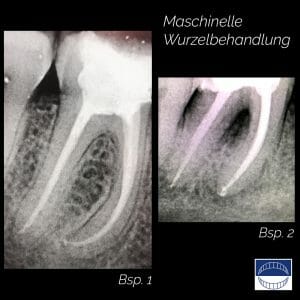
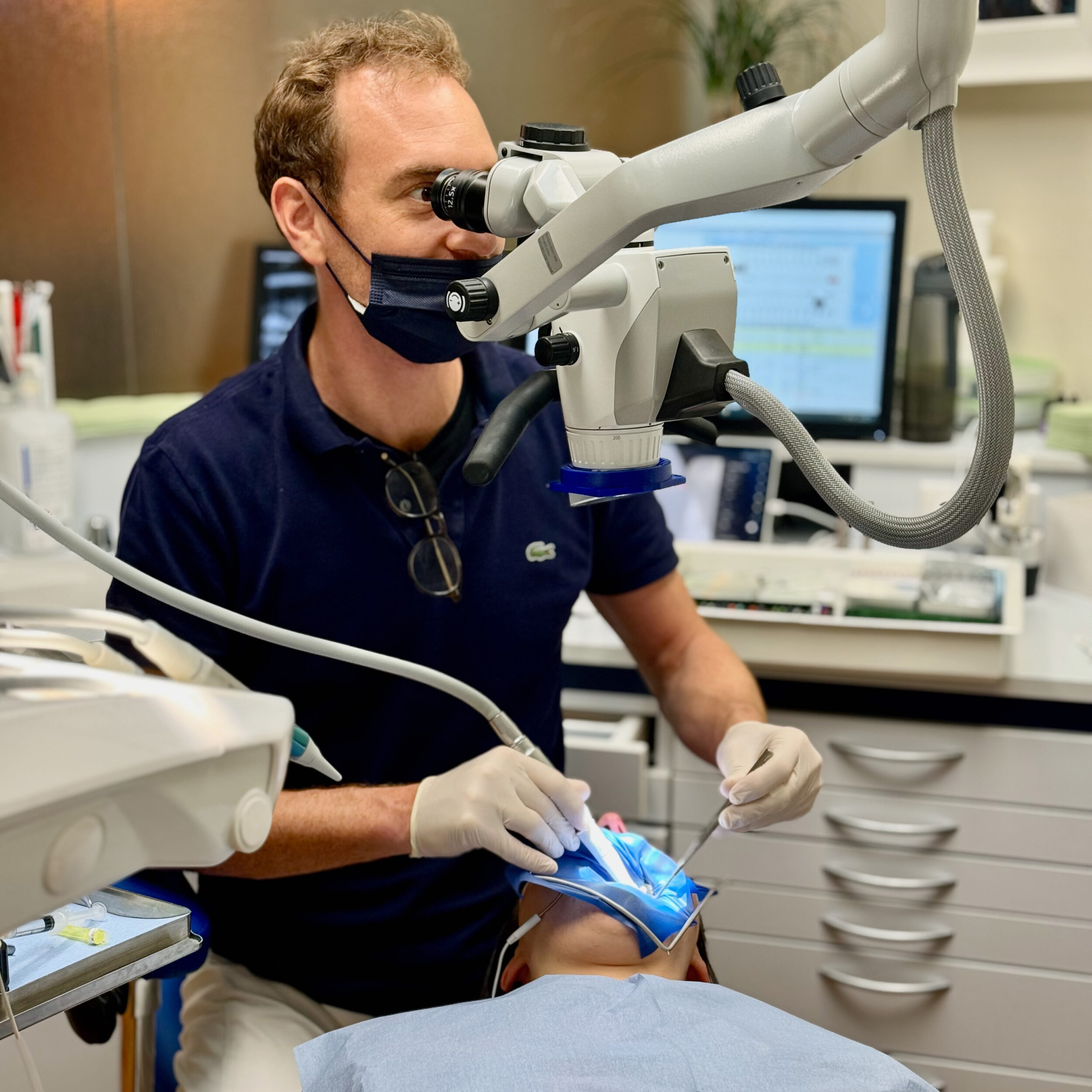
Root canal retreatment We perform microscopic root canal retreatment – a tooth-preserving measure – in our practice in Vienna.
Many teeth were previously extracted that could potentially have been saved with a modern root canal treatment using a microscope. Of course, the preservation of a tooth by root canal treatment cannot be guaranteed even today. However, the success rate has increased due to experience and the development of new technical procedures. In complicated cases, we, therefore, work together with specialists in root canal treatments (endodontologists).
Many health problems can be traced back to root canal-treated teeth (so-called silent inflammations / hidden inflammations). These teeth can often be saved and preserved by a revision of the root canal treatment. In some cases, however, it is still necessary to remove inflamed/infected root canal-treated teeth.
In 90% of cases, caries is the reason for a root inflammation. This often manifests itself through sensitivity to cold and pressure pain. We conduct an examination and take X-rays. If the tooth root (pulp) is inflamed or infected, a root canal treatment must be performed to relieve severe pain and prevent damage to the jawbone. The treatment itself can be designed completely without pain in most cases:
Old root fillings colonized by bacteria can be renewed by a so-called revision, which is sometimes carried out in cooperation with a specialist for root canal treatments (so-called endodontologist), to whom we will refer you. If the revision is not possible or unsuccessful, the tooth must be removed and a dental prosthesis planned. This is important from a holistic point of view to exclude damage to the entire organism.
We would be happy to advise you.
Ist eine Wurzelbehandlung mit Schmerzen verbunden?
In den meisten Fällen ist eine Wurzelbehandlung völlig schmerzlos. Eventuell kann zusätzlich zu einer lokalen Betäubung die Gabe eines Schmerzmittels vor der Behandlung verordnet werden.
Ist ein Zahnimplantat nicht einem entzündeten Zahn vorzuziehen?
Dies hängt vom Einzelfall ab. Trotz moderner Implantologie ist es wichtig, einen Zahn, dessen Zahnkrone intakt ist, bestmöglich zu erhalten. Manch schwer infizierte und zerstörte Zähne müssen jedoch entfernt werden, um eine Gefahr für Ihren Organismus auszuschließen. Wir beraten Sie gerne.