Gentle Amalgam Removal and Detoxification
We offer amalgam removal with a special suction device / cofferdam and heavy metal detoxification in our practice.
Mercury is the most toxic non-radioactive substance, yet many of us have amalgam fillings in our mouths. These contain approximately 50% of this heavy metal.
Opinions in the scientific community diverge regarding the danger of amalgam fillings; a clear connection with chronic diseases has not yet been proven. This is partly due to the diffuse symptoms of mercury poisoning, such as headaches, restlessness, or gastrointestinal issues. Additionally, mercury is an environmental toxin. An amalgam ban applies throughout the EU since 2025, after it was banned for children and pregnant women in 2018.
Studies show a correlation between the mercury content in urine and the number of amalgam fillings (study source see here).
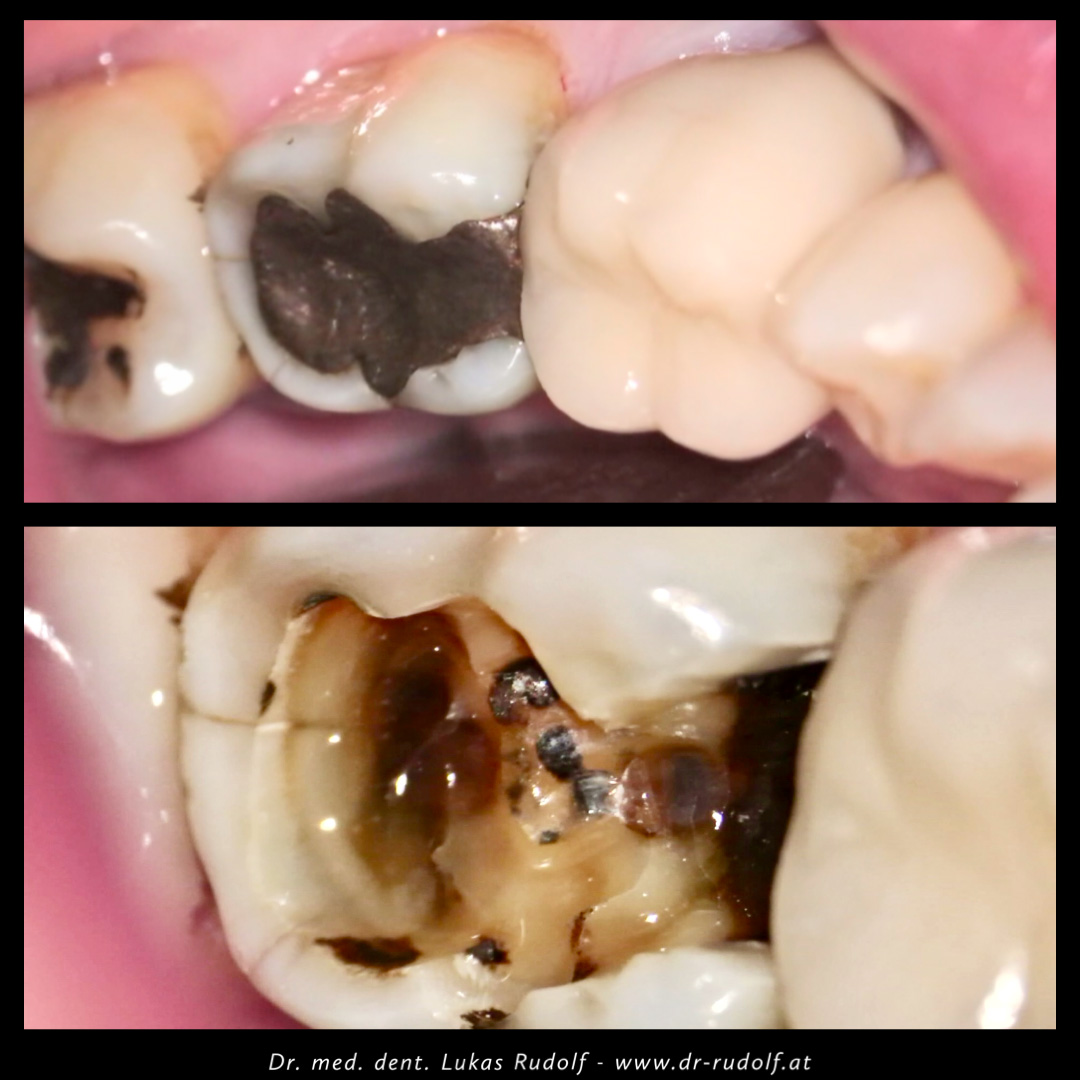
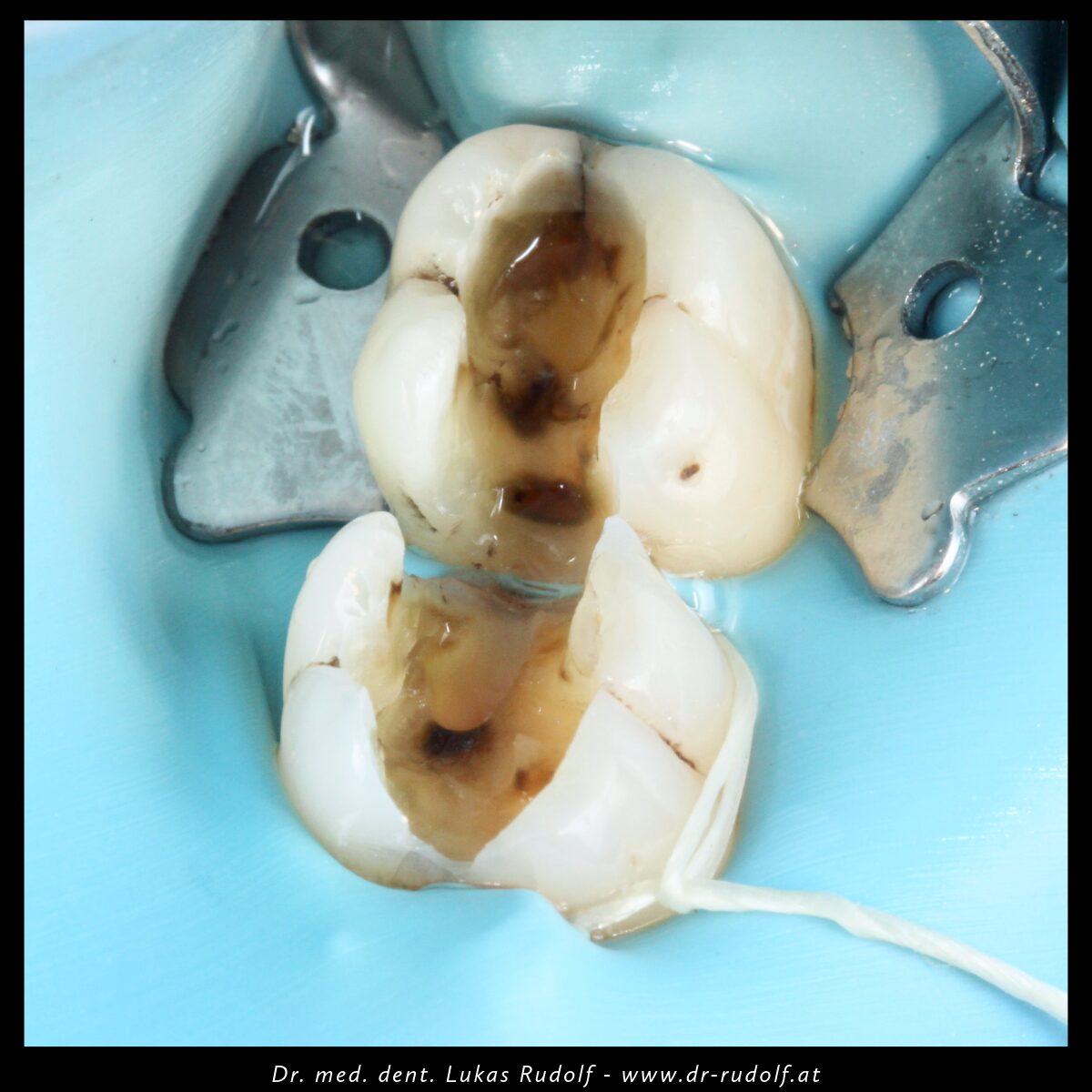
In addition, amalgam fillings expand over time. This often results in damage to the tooth structure (cracks). This is often visible under our microscope.
Mercury is acutely toxic in dissolved form, therefore the greatest mercury exposure occurs during the placement and removal of amalgam fillings, which releases mercury in vapor form.
Procedure in our practice
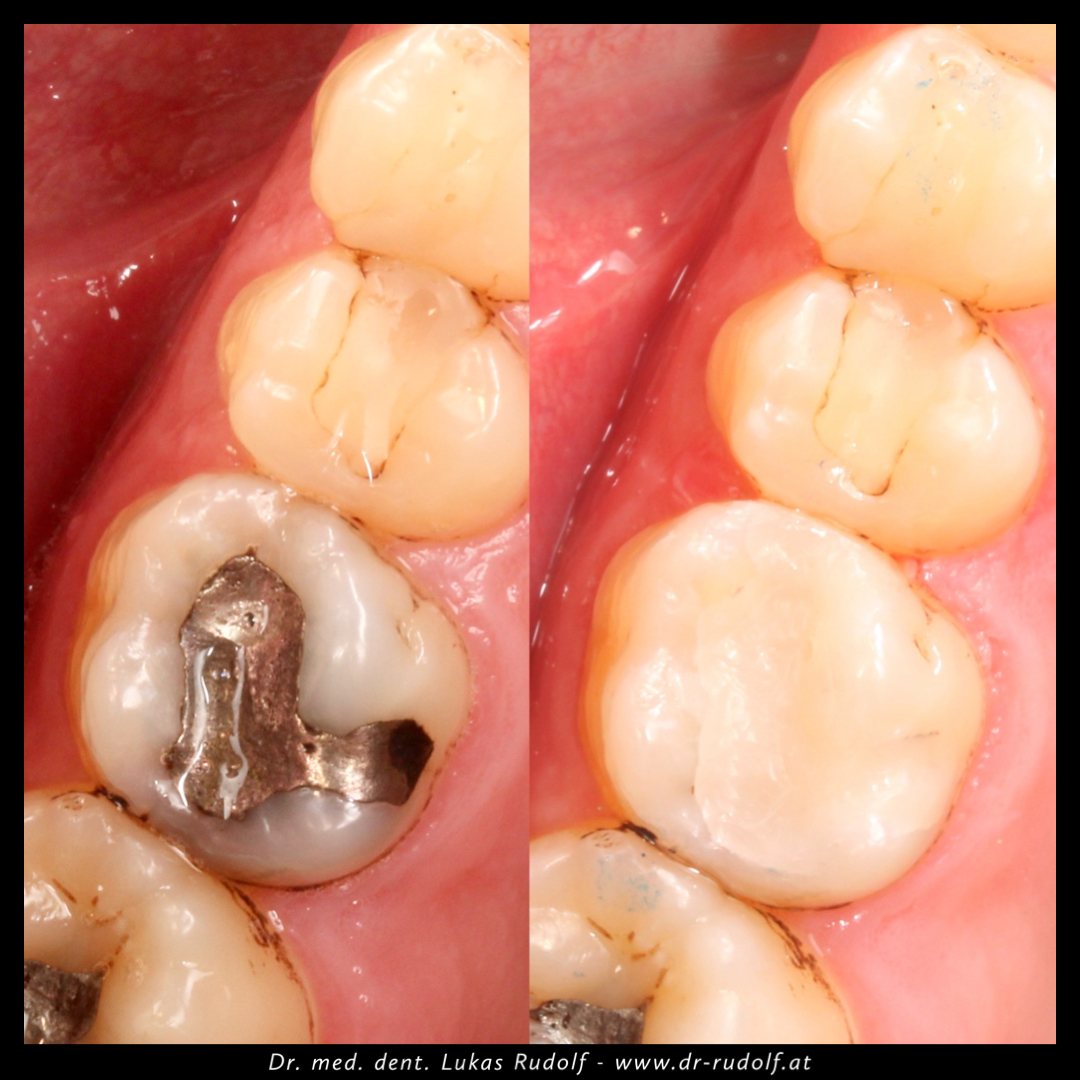
Due to the mentioned toxicity of amalgam, we remove amalgam fillings while shielding the mouth (special suction device / “cofferdam”), with correct suction and subsequent rinsing with mercury-binding rinsing solution. In severe cases, a gold-coated mask is also useful. Subsequently, we perform a detoxification of the heavy metals from the body. For this, we use a combination of orthomolecular preparations that are taken over a period of approximately 1 month.
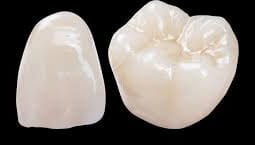
In the course of amalgam restoration and detoxification, the teeth are usually initially provided with a long-term temporary restoration. In certain, uncomplicated cases, a definitive restoration with composite fillings or “same-day” ceramic restorations in our laboratory can also be performed immediately.
Following the complete removal of heavy metals from the body, the various possibilities for a final restoration will be discussed.