Veneers – white, natural teeth

Veneers are wafer-thin ceramic shells that can be used to correct the shape and color of the front teeth.In many cases, a gap between the front teeth (so-called diastema) can also be closed very nicely, should this be desired for aesthetic reasons. Main advantage: the teeth usually only need to be ground down by about 1/2mm on the front, whereas more tooth substance has to be removed with a ceramic crown. These ceramic shells are particularly well-known from Hollywood – many film and television actors use this technique to contribute to their perfect smile.

It is important that this individual precision work is only used with the correct indication. In particular, treatment options must be well thought out in terms of dental health before tooth substance is ground down.
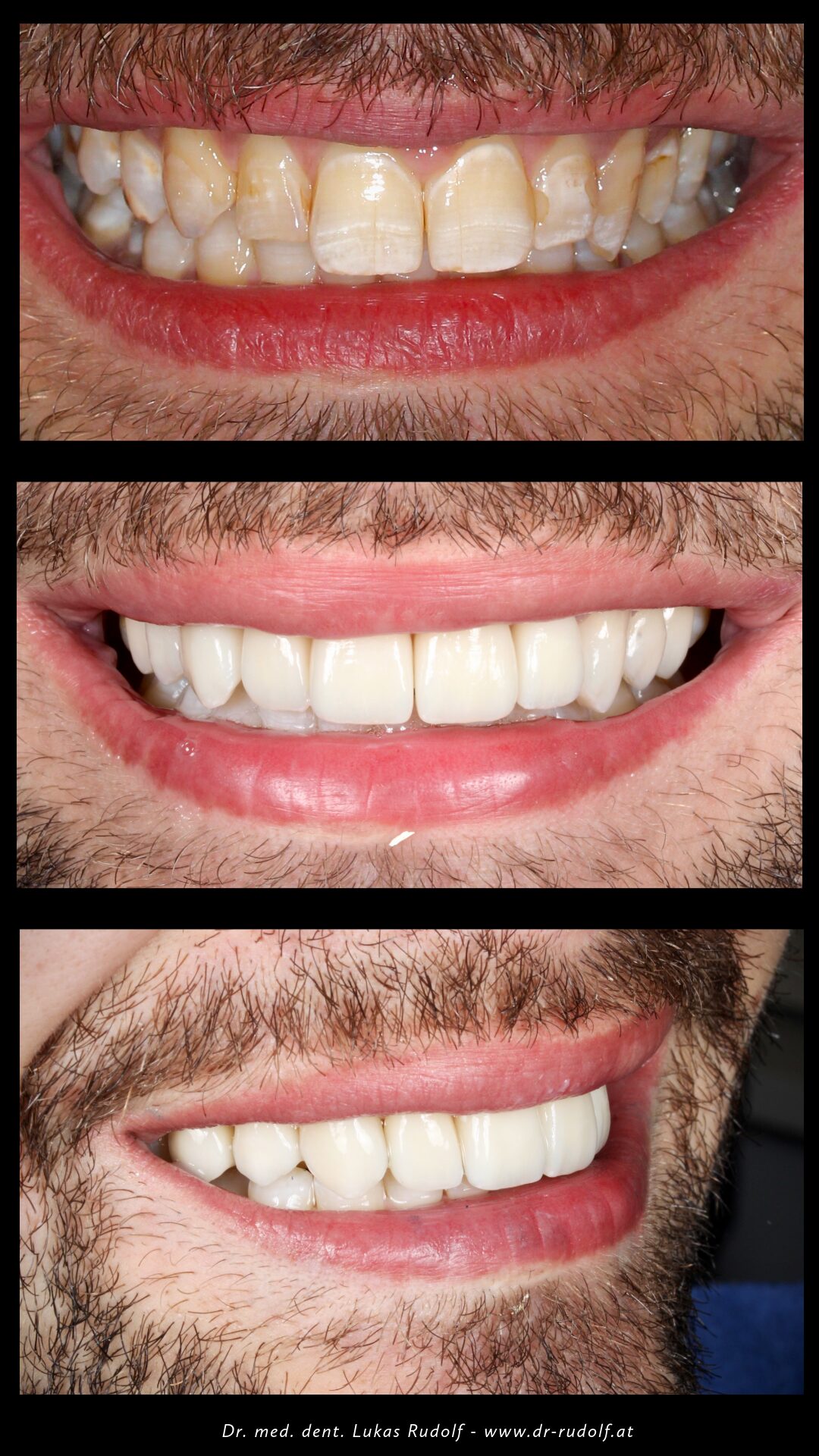
Veneers before/after

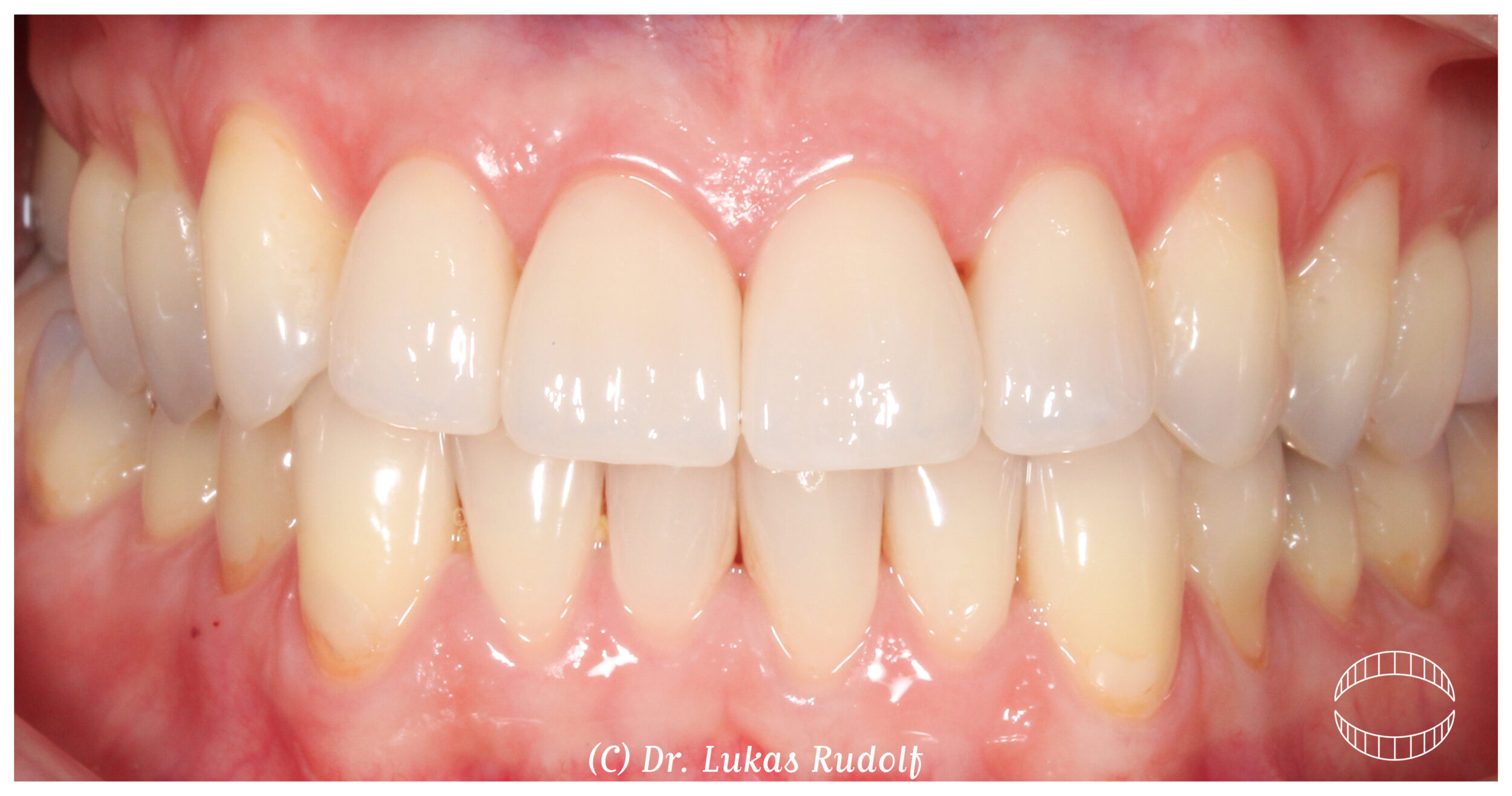
Crowns & Veneers, Case in our practice, before / after

Procedure of an aesthetic treatment with veneers in our practice

For an optically perfect and long-lasting result, precise coordination between the dentist, patient and dental laboratory is necessary. The process is also called “Smile Design” or “Smile Makeover”. In order to meet your requirements and achieve a natural appearance, we simulate the result using temporary plastic before you finally decide on the treatment. For this purpose, we dedicate ourselves exactly to your aesthetic wishes (e.g. tooth color, tooth position, possibly old photos of your teeth).

1. Consultation, scan, photos

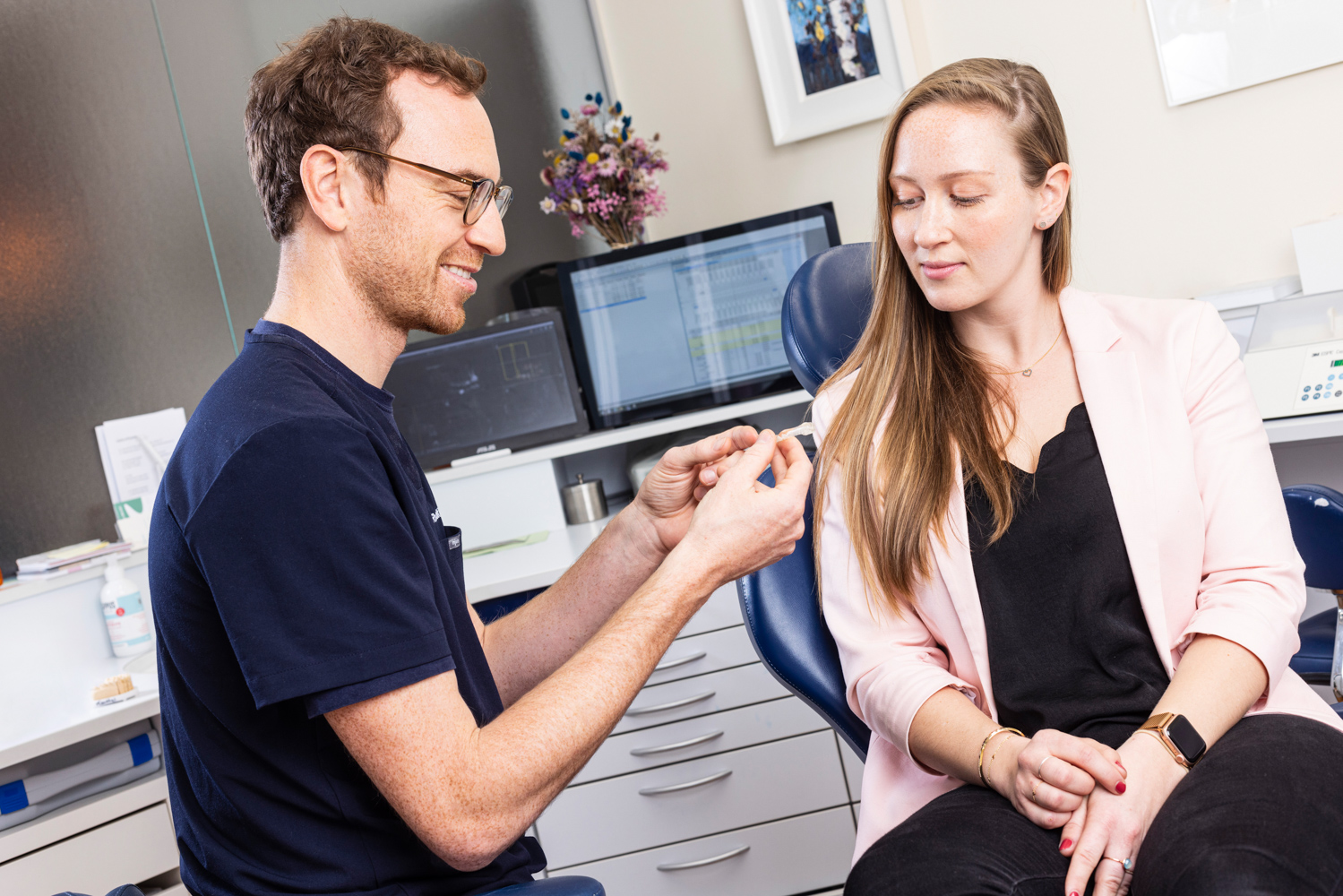
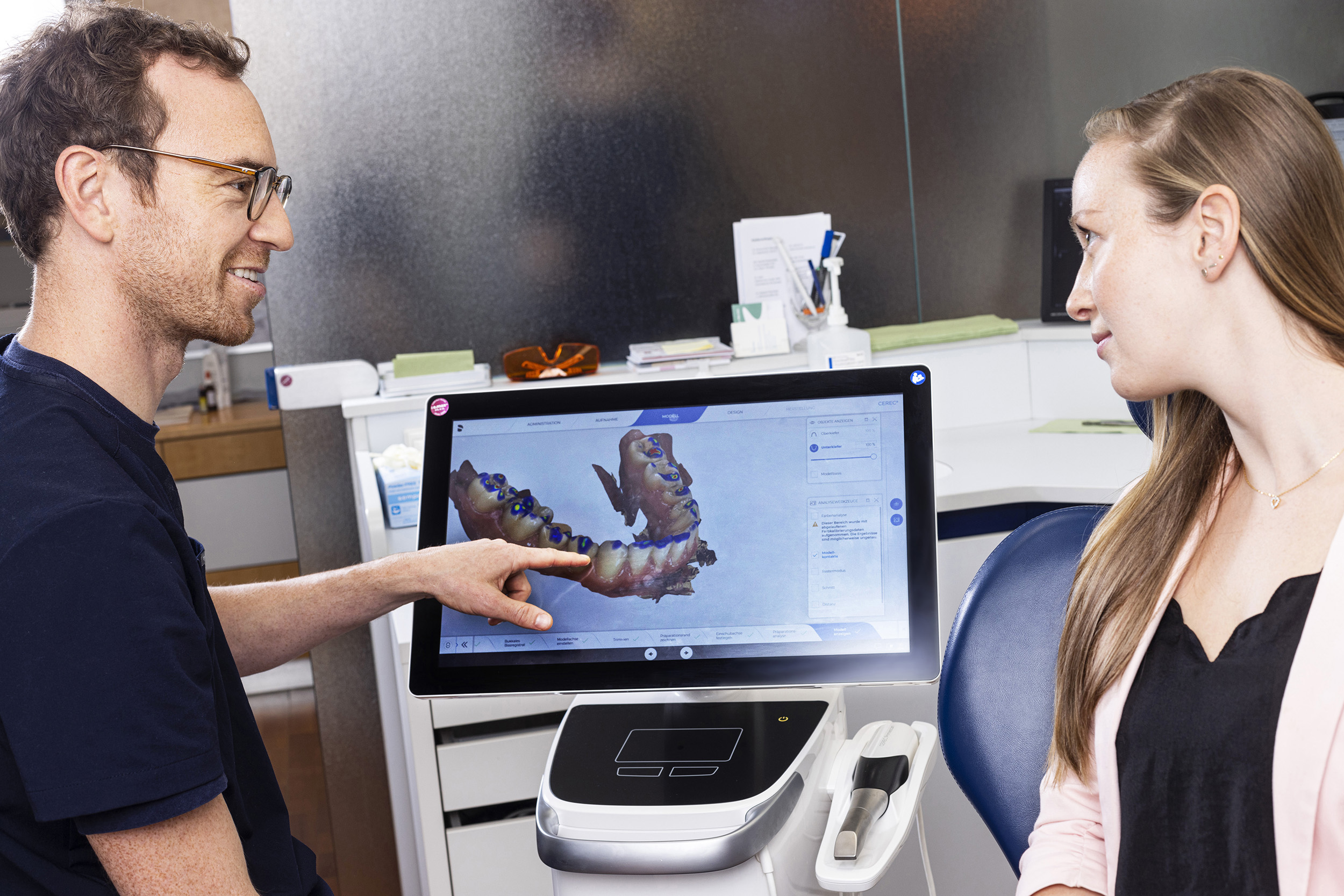
We start with a discussion of your “current situation” and address your wishes. If veneers are indicated, we will take photos and a scan of your teeth. This allows us to discuss details and communicate with our dental laboratory. In particular, the color/shape of the neighboring teeth is precisely documented, and if you do not like them, the teeth can be lightened before the veneer treatment (bleaching) in order to achieve a natural and harmonious result.

Discussion of the current situation

2. Smile Design

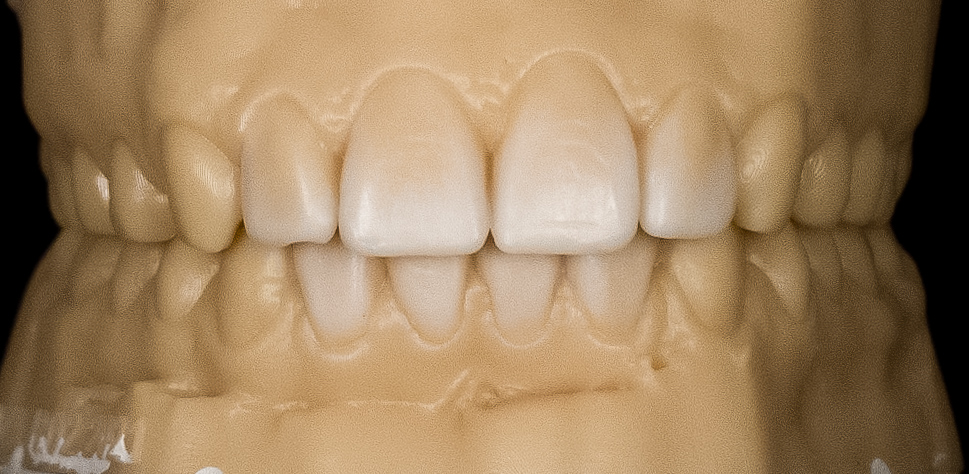
The aesthetic planning of your new teeth takes place in our dental laboratory based on your tooth scan/photos, your wishes and our experience. We produce a wax/3D-printed simulated situation that can be tried on in the mouth at the follow-up appointment.

Planning veneers Vienna
Simulation of the desired new tooth shape on the 3D-printed model, template for a test template

3. Try-in (approx. 1/2h)

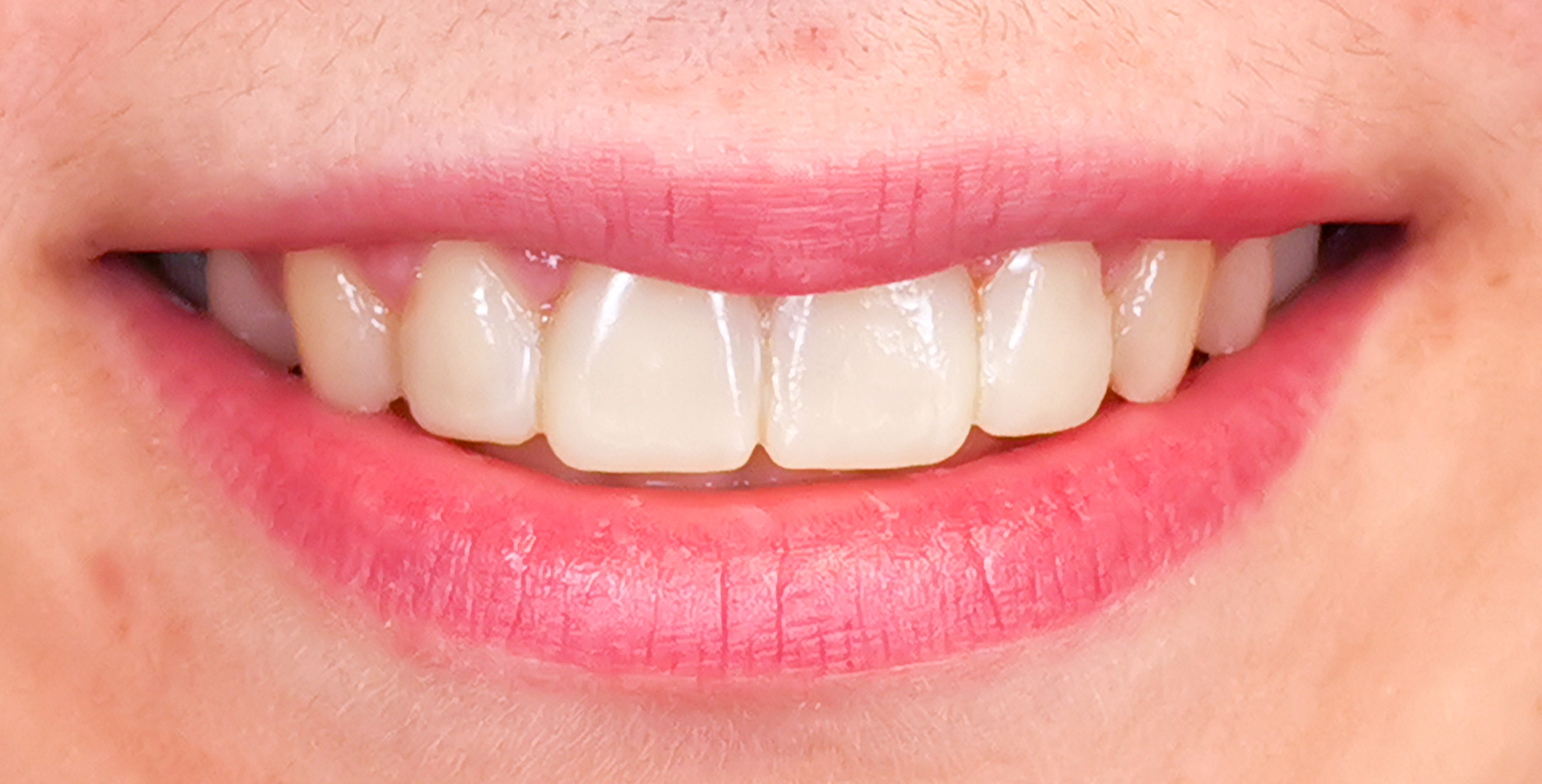
The proposal is then tried in. The wax/3D-printed proposal is used as a template to try on a simulation of the final result directly in the mouth using self-curing plastic. We as dentists, together with you, examine these temporary veneers in front of the mirror for color and shape. Change requests are incorporated into the final result. If you as a patient and we as specialists are satisfied, the preparation and definitive impression/scan of the teeth will take place at the next appointment.

Try-in veneers Vienna
Trying on the shape and color in the mouth with temporary, self-curing plastic

4. Preparation of the teeth (approx. 1-2h)

The teeth are slightly anesthetized and individually ground down to a wafer-thin layer (usually under 1mm) using the template created in the previous step. In exceptional cases, it is also possible to make veneers completely without grinding down the teeth (so-called non-prep veneers). In special cases, we also use our microscope. We then take a digital impression/scan of your teeth, which we send to our dental laboratory together with photos/change requests.

4. Insertion of the veneers (approx. 1h)

After the ceramic veneers have been completed in the dental laboratory, they are now tried in the mouth. Another thorough examination is carried out together in front of the hand mirror. Different colored fixing adhesives can be tested during this step in order to perfectly match the veneers to the neighboring teeth and achieve the desired tooth color. If you now like the color and shape, the veneers are permanently bonded to the tooth. This process is usually painless, but if necessary, the teeth are slightly anesthetized again. We then check the exact height/bite of the veneers and clean the teeth of all adhesive residue. Now you can immediately enjoy your veneers and smile confidently again!

Patient case: 4 front tooth veneers

Care and aftercare of ceramic veneers

As is usual with all teeth, it is recommended to brush your teeth twice a day with fluoride- or hydroxylapatite-containing toothpaste and to use dental floss or interdental brushes to avoid caries. An annual oral hygiene session is also an important aspect, especially to prevent problems with the gums. Discoloration on the neighboring teeth is also effectively removed. We hope you enjoy your new smile!

Veneers for teeth grinding

Veneers are made of high-strength ceramic and are extremely durable.
Nevertheless, teeth grinding (bruxism) is a limiting factor. Wearing a night-time grinding splint, which can be made after the veneers have been inserted, is strongly recommended in this case.

Oral hygiene polish
The polish after oral hygiene ensures velvety smooth teeth

Author: Dr. med. dent. Lukas Rudolf

If you have any further questions or are interested in an aesthetic solution, please do not hesitate to contact us to arrange a consultation appointment by email at termine@dr-rudolf.at or by telephone on 01/214 21 27.